
Interviews
An Exclusive Interview with Dr. Kamaluddin Hamed Salmani
“TSA Schools empower students with innovation, ethics, leadership, and excellence.”

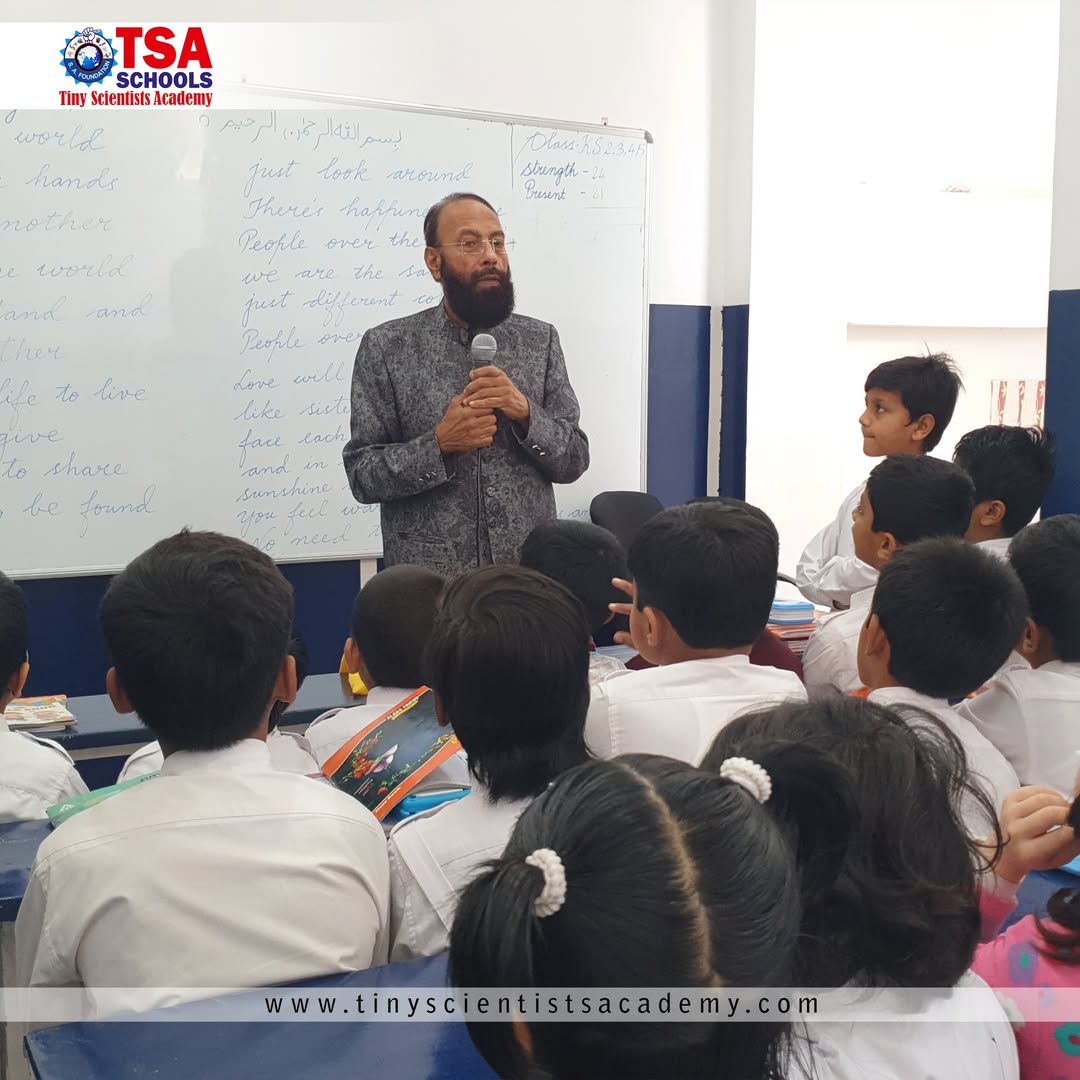
Chairman, TSA Schools
(March 2025)
Q1: Dr. Salmani, thank you for joining us. To begin, can you tell us about the inspiration behind TSA Schools?
Dr. Kamaluddin Hamed Salmani:
Thank you for having me. The inspiration behind TSA Schools was a deep-rooted desire to create a space where education is not confined to rote learning but extends to developing creativity, compassion, and critical thinking. Our goal is to prepare students not just for examinations, but for life. We envisioned a system where academic excellence goes hand-in-hand with ethical values, innovation, and leadership.
Q2: What differentiates TSA Schools from other educational institutions in the region?
Dr. Salmani:
TSA Schools stand out because of our commitment to personalized, student-centric education. We integrate traditional academic learning with a strong focus on STEM education, arts, life skills, and sports. Every child at TSA is encouraged to discover their strengths through experiential learning. Our infrastructure supports innovation — from smart classrooms to dedicated labs for robotics and life skills. Moreover, we emphasize teacher development and regularly update our teaching methodologies to keep pace with global standards.
Q3: How does TSA Schools ensure the holistic development of its students?
Dr. Salmani:
Holistic development is central to our mission. Beyond academics, students are exposed to leadership programs, emotional well-being workshops, sports competitions, environmental initiatives, and community service projects. Our recently launched STEM Innovation Lab and Life Skills Center are examples of how we encourage students to develop practical, real-world skills early on. We want every TSA student to be confident, empathetic, and adaptable to any situation in life.
Q4: Could you highlight some of the recent achievements of TSA Schools?
Dr. Salmani:
Certainly. Our students have won accolades in national-level Olympiads in Mathematics and Science, and several of them qualified for international robotics competitions. TSA Schools was honored with the “Emerging Leader in Education” award at the National Education Conclave 2024. We also inaugurated a state-of-the-art Digital Learning Hub last year, which has transformed the way our students engage with technology and knowledge.
Q5: What role do parents and the broader community play in TSA Schools’ success?
Dr. Salmani:
Parents are critical stakeholders in our educational ecosystem. We foster a strong home-school partnership through regular parent meetings, workshops, and feedback forums. We also believe in community engagement — our students are encouraged to participate in outreach activities like literacy drives, environmental conservation, and social welfare programs. Education, after all, must extend beyond the classroom and into society.
Q6: Looking ahead, what are your future plans for TSA Schools?
Dr. Salmani:
We are in an exciting phase of growth. We plan to open new campuses across Telangana and Karnataka, each equipped with advanced STEM, sports, and arts facilities. We are also working towards international collaborations with reputed institutions to introduce global exchange programs. Our dream is to see TSA Schools become a beacon of transformative education in India and beyond.
Q7: Finally, what is your message to students, parents, and educators?
Dr. Salmani:
My message is simple: Education is the most powerful tool to change the world. To students, I say — stay curious, stay compassionate, and never stop learning. To parents — be active partners in your child’s educational journey. And to educators — remember that every lesson you teach has the potential to shape a life. Together, let’s build a future filled with hope, innovation, and kindness.


A practical proposal for safer, smoother, and more disciplined roads
Introduction
Hyderabad, one of India’s fastest-growing metros, is battling increasing traffic congestion, road indiscipline, and rising pollution. With over 60 lakh vehicles on its roads and hundreds of new registrations every day, infrastructure alone can no longer keep pace with the city’s rapid growth. Despite the addition of flyovers and wider roads, the core issue remains — lack of lane discipline and mismatch of speeds.
To address this, Hyderabad can adopt a Speed-Based Lane System, an intelligent and cost-effective traffic management model that prioritizes safety, efficiency, and public discipline.
The Concept: Speed-Based Lane System
How It Works
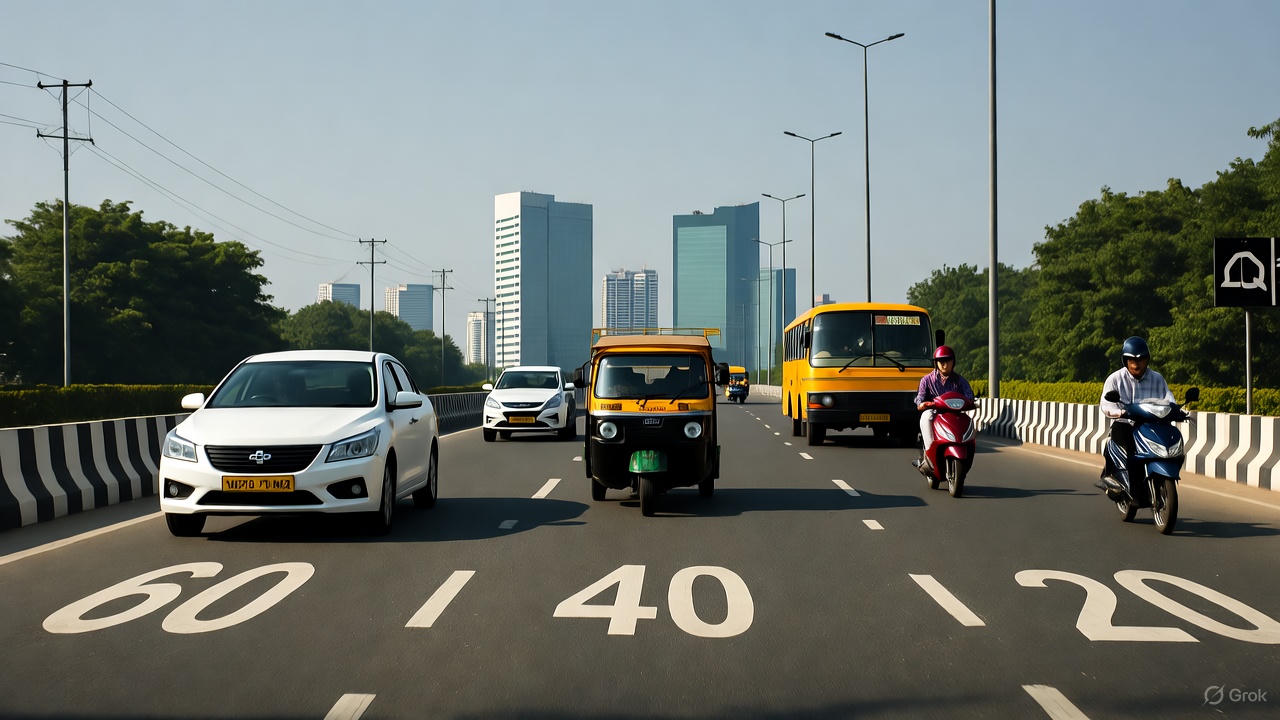
Each major road or highway is divided into speed-based lanes with clearly painted markings such as 60 km/h, 40 km/h, and 20 km/h.
- Three-lane roads:
- Right lane (fast): 60 km/h
- Middle lane (medium): 40 km/h
- Left lane (slow): 20 km/h
- Two-lane roads:
- Right lane: 40 km/h
- Left lane: 20 km/h
- Single-lane roads:
- Maximum speed: 20 km/h
This approach ensures predictable vehicle flow, reduces conflicts, and enhances overall road discipline.
Technology and Enforcement
1. Speed Cameras and AI-Based Monitoring
Cameras equipped with Automatic Number Plate Recognition (ANPR) can detect vehicles exceeding or undercutting the lane-specific limits. Artificial intelligence can monitor video feeds to automatically issue e-challans for:
- Overspeeding in low-speed lanes
- Slow vehicles blocking fast lanes
- Lane violations and unsafe zig-zag driving
2. Smart Signage and Road Markings
Reflective paint and digital speed boards can indicate lane speeds clearly. LED displays can flash speed alerts, similar to systems used in Dubai and Singapore.
3. Integrated Command & Control Center
All data can be linked to the Hyderabad Traffic Integrated Command Center, enhancing real-time enforcement without major new investment.
Why Hyderabad Needs It
- Rampant Lane Indiscipline: Slow vehicles often block fast lanes, creating bottlenecks.
- Accidents Due to Speed Mismatch: Sudden overtakes and braking cause preventable collisions.
- Undefined Speed Culture: Lack of consistent speed norms leads to unsafe driving behavior.
- Efficient Use of Infrastructure: Optimizes current roads without costly expansions.
Global Examples
- Dubai & Abu Dhabi: Enforce strict lane discipline with variable speed ranges.
- Germany (Autobahn): Slower vehicles must stay to the right, ensuring smooth flow.
- Singapore: AI-driven lane management reduces congestion by 30–40%.
- United Kingdom: Variable speed lanes dynamically balance traffic load.
Proposed Implementation Plan for Hyderabad
Phase 1: Pilot (3–6 Months)
Suggested Corridors:
- Necklace Road – Tank Bund – RTC Crossroads
- Cyberabad IT Corridor (Hitech City – Gachibowli – Financial District)
- Airport Expressway (Shamshabad stretch)
Steps:
- Conduct lane-width and speed studies.
- Paint lanes with 60 / 40 / 20 km/h markers.
- Install AI-based speed cameras.
- Launch a 30-day awareness campaign.
Phase 2: Enforcement (6–12 Months)
- Begin soft enforcement for a month, followed by e-challan issuance.
- Collect data on accident reduction and speed compliance.
Phase 3: Expansion (After 1 Year)
- Scale to all major city corridors.
- Integrate with TS-iPASS traffic and FASTag systems.
Benefits of the Lane System
1. Saves Time
A disciplined flow of traffic ensures consistent speeds, reducing commute times by up to 25%.
2. Saves Fuel
Smooth driving without unnecessary braking or acceleration improves fuel efficiency, cutting fuel consumption by 10–15%.
3. Saves Money
Lower fuel use, fewer accidents, and reduced vehicle wear translate into direct economic savings for citizens and the government.
4. Reduces Stress
Predictable movement and less honking create a calmer, more organized driving environment, reducing driver fatigue and frustration.
5. Environmental Benefits
Optimized fuel use and fewer traffic jams lower emissions, contributing to cleaner air and a greener Hyderabad.
Expected Outcomes
- 30% reduction in accidents.
- 20% improvement in average vehicle speed.
- Significant savings in fuel and time for daily commuters.
- Enhanced discipline among drivers.
Policy Proposal to Hyderabad Traffic Police & Government of Telangana
Subject: Implementation of Speed-Based Lane System in Hyderabad
Objective: To streamline vehicular movement, improve road safety, and enhance traffic discipline.
Proposal Summary:
- Introduce 60–40–20 km/h lane markings on multi-lane roads.
- Enforce compliance through AI-based monitoring and e-challans.
- Conduct pilot projects on key corridors.
- Review impact and expand citywide after one year.
Expected Benefits:
- Reduced congestion and accidents.
- Time, fuel, and cost savings for commuters.
- Environmentally sustainable traffic management.
Expert Opinion
“Lane discipline is the backbone of modern traffic systems. Hyderabad can leap forward by adopting a speed-based lane policy backed by technology. It’s a low-cost reform with high-impact results.”
— Dr. R. Srinivas, Urban Mobility Expert
Call to Action
The success of this initiative requires collaboration between the Hyderabad Traffic Police, GHMC, Transport Department, and the citizens of Hyderabad. By working together, we can transform our roads into models of order, safety, and efficiency.
Let Hyderabad lead the way in India with this smart and sustainable traffic reform.
Prepared by Dr. Zeeshan Abbas
Education Today Magazine — Advocating Smart Urban Solutions for India
Interviews
Young, Bright, and Compassionate: Samyukhta’s Story of Inspiration
Samyukhta, a young beacon of hope, inspires children with her intelligence, compassion, and unwavering drive to make a difference.

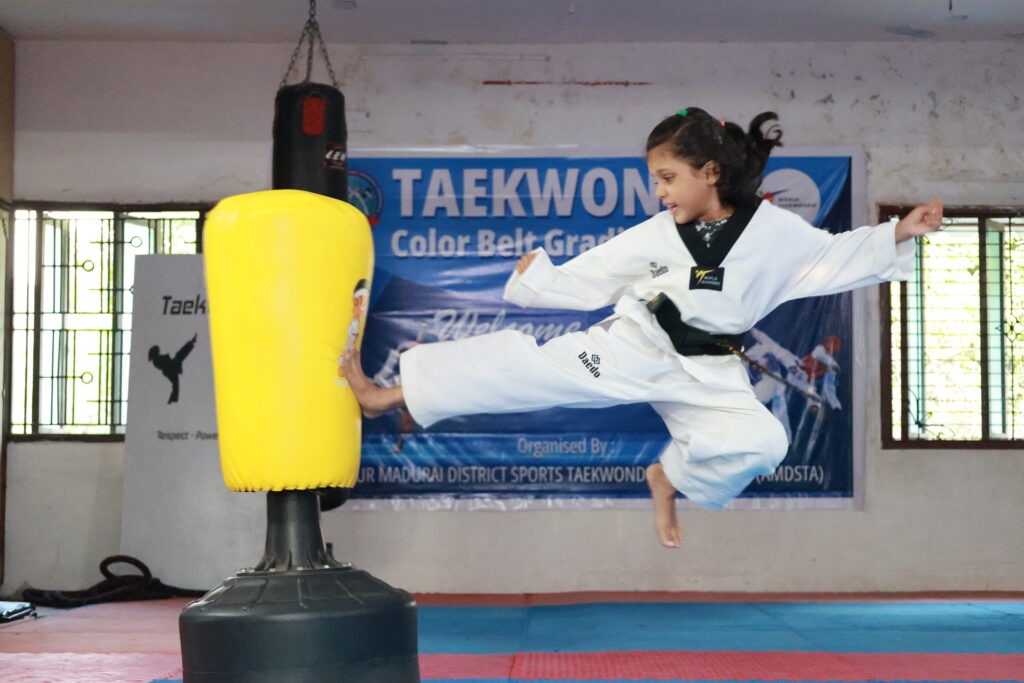
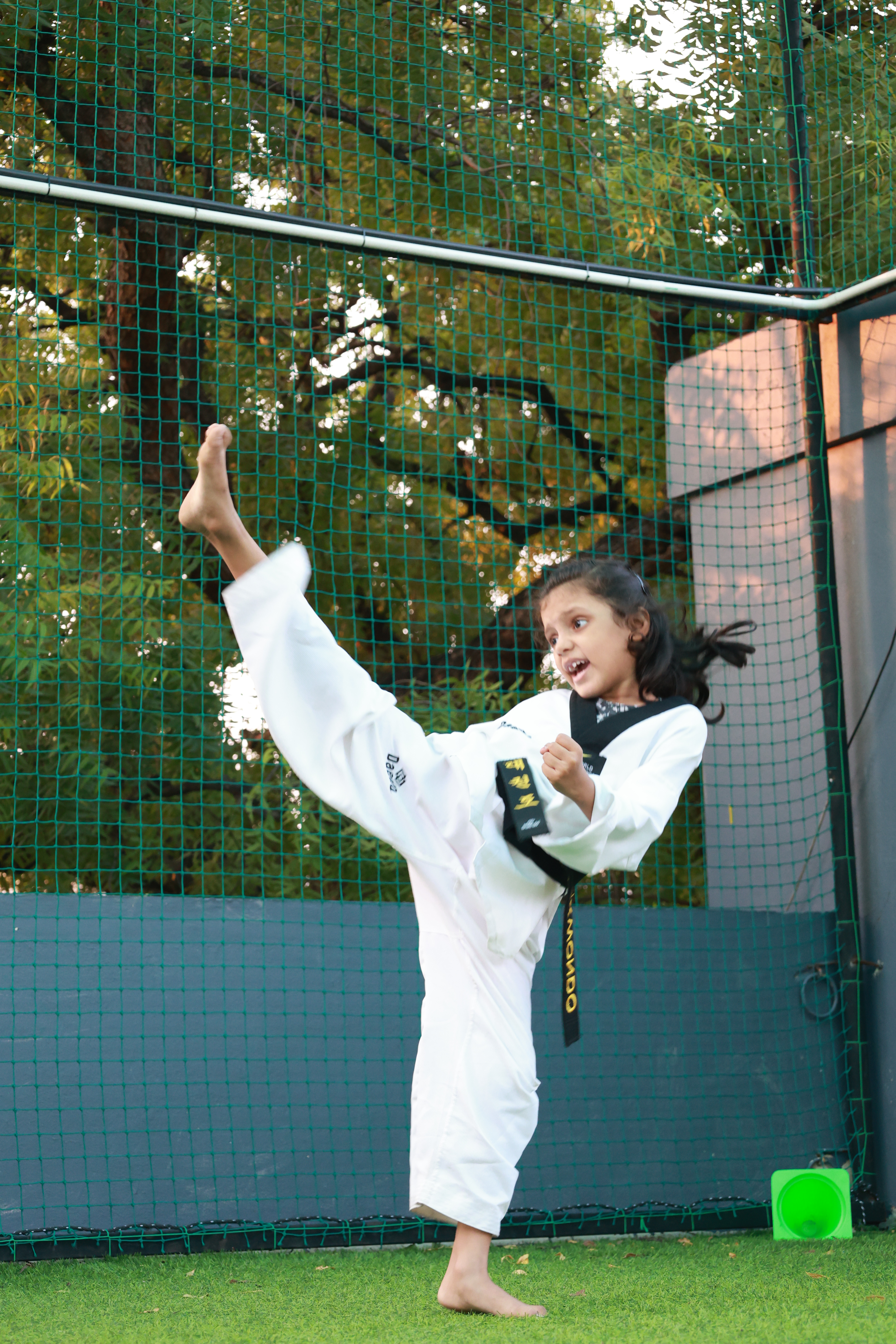
Samyukhta, the daughter of Narayanan, is becoming a shining inspiration for children everywhere. In today’s world, where positive role models are deeply needed, Samyukhta stands out because of her kindness, intelligence, and passion for making a difference. Her story teaches young people that age is no barrier to leadership and that small actions can have a big impact.
Growing up, Samyukhta was surrounded by strong values. Her father, Narayanan, always emphasized the importance of education, hard work, and compassion. He encouraged her to dream big but stay grounded. These early lessons shaped Samyukhta’s character. She learned not only to aim for excellence in her own life but also to help others rise alongside her.
From a very young age, Samyukhta showed a natural curiosity about the world. She loved learning new things and wasn’t afraid to ask questions. Whether it was science, literature, or history, she approached every subject with enthusiasm. Her teachers often remarked on her eagerness to understand deeper ideas and her willingness to help classmates who were struggling. It became clear that Samyukhta was not just a bright student but also a natural leader.
What makes Samyukhta truly special is her belief that knowledge should be shared. She doesn’t believe in keeping her talents to herself. Instead, she volunteers to tutor younger students, organizes group study sessions, and even speaks at school events to encourage her peers. Her ability to explain complicated topics in a simple, friendly way has made her a favorite among students and teachers alike.
Beyond academics, Samyukhta has also shown remarkable leadership in extracurricular activities. Whether it’s leading a science project, performing in a school play, or participating in community clean-up drives, she brings energy and positivity to everything she does. Her classmates often look to her for guidance, and her teachers trust her to take on responsibilities that require maturity and dedication.
One of the most inspiring things about Samyukhta is her kindness. She treats everyone with respect, no matter their background or abilities. She has started small initiatives at school to promote kindness, such as organizing “buddy days” where students are encouraged to make new friends and include those who feel left out. These simple but powerful actions have helped create a more welcoming environment at her school.
Samyukhta’s influence goes beyond the school walls. She has participated in several community service projects alongside her father. From planting trees to raising funds for local charities, she understands the importance of giving back. She believes that community service is not just something you do once in a while but a way of life. Her willingness to step up and serve others at such a young age has inspired many adults as well.
Her story reminds young people that leadership is not about being the loudest person in the room. It’s about leading by example. It’s about being consistent in your actions, treating others with kindness, and staying true to your values, even when no one is watching. Samyukhta doesn’t seek attention for what she does. Her motivation comes from a genuine desire to make things better for others.
Samyukhta’s journey is still just beginning, but her impact is already being felt by those around her. Many children who know her say they feel more confident to speak up, help others, and pursue their dreams. She has shown them that they don’t have to wait until they are adults to start making a difference. They can start right now, wherever they are, with whatever talents they have.
In a time when the world needs more positivity, Samyukhta offers a shining example of what young people are capable of. Her story is a reminder that true greatness is not just about winning awards or getting the highest grades. It’s about touching lives, lifting others up, and staying true to your principles no matter what challenges come your way.
As she moves forward, there is no doubt that Samyukhta will continue to grow and inspire many more. With her intelligence, determination, and kind heart, she is well on her way to becoming a leader not just in her community, but in the world. And for the many children who look up to her, she will always be a bright light, showing them that with courage, compassion, and hard work, anything is possible.
Samyukhta’s story is proof that the future is in good hands. If more young people follow her example, the world will certainly become a better place.
A quote from Samyukhta:
“Believe in your dreams, be kind to everyone, and never be afraid to try. Even small steps can lead to big changes.”
A message from her parents:
“We are so proud of Samyukhta. Watching her grow into a kind, thoughtful, and inspiring young person fills our hearts with joy. We believe she will continue to touch lives wherever she goes. We thank everyone who supports and encourages her journey.”
Samyukhta’s story is just beginning, but her spirit already lights the way for many. She teaches all of us that leadership is about lifting others up and that even the smallest voice can bring great hope to the world.
Interviews
Padmanabh Singh: A Modern-Day Custodian of India’s Polo Legacy
Padmanabh Singh revives India’s polo legacy, leading with passion, tradition, and inspiring a new generation on the global stage.

Padmanabh Singh, the young heir to the royal family of Jaipur, is swiftly establishing himself as a prominent figure in the world of competitive polo. His journey into the sport began in 2015, when he first played at the esteemed Guards Polo Club in England, marking the beginning of what would become a storied career in polo. A skilled and passionate player, Padmanabh has not only embraced the sport but also brought a unique sense of tradition and legacy to every game he plays.
In 2017, Padmanabh led the Indian national polo team at Hurlingham Park, one of the most prestigious polo venues in the world. This historic event was especially significant as it marked the first Indian team’s visit to the venue in over 70 years. The occasion was made even more remarkable by the fact that his grandfather, Maharaja Jai Singh of Jaipur, had led the last successful Indian polo team to the UK many decades earlier. The legacy of the Jaipur royal family in polo runs deep, and Padmanabh’s leadership on that field was a testament to his dedication to continuing that proud tradition.
His performance at Hurlingham Park was not just a sporting triumph, but a symbolic moment in the history of Indian polo, blending the past and present. Padmanabh’s success on the field is a continuation of his family’s commitment to the sport, while also representing the modernization and global reach of India’s polo culture. Under his leadership, the Indian team showcased not only technical prowess but also the royal sportsmanship that has long been associated with the sport in India.
Padmanabh Singh’s accomplishments go beyond individual victories. He is a passionate advocate for the sport of polo in India and has made it a key part of his mission to inspire young players to take up the game. As a member of the prestigious Guards Polo Club and as a prominent ambassador of polo, Padmanabh continues to build bridges between India’s rich polo heritage and the contemporary global polo scene.
In every match, whether on Indian soil or abroad, Padmanabh brings with him a sense of pride and purpose — a true custodian of India’s polo legacy, whose leadership and grace both on and off the field continue to inspire the next generation of players.




📢 Major Administrative Reshuffle in Telangana Education Department

RTC Strike Intensifies in Telangana: College Students & Public Hit Hard

Telangana CM Meets Governor Amid Pending Clearance of Azharuddin’s MLC Nomination
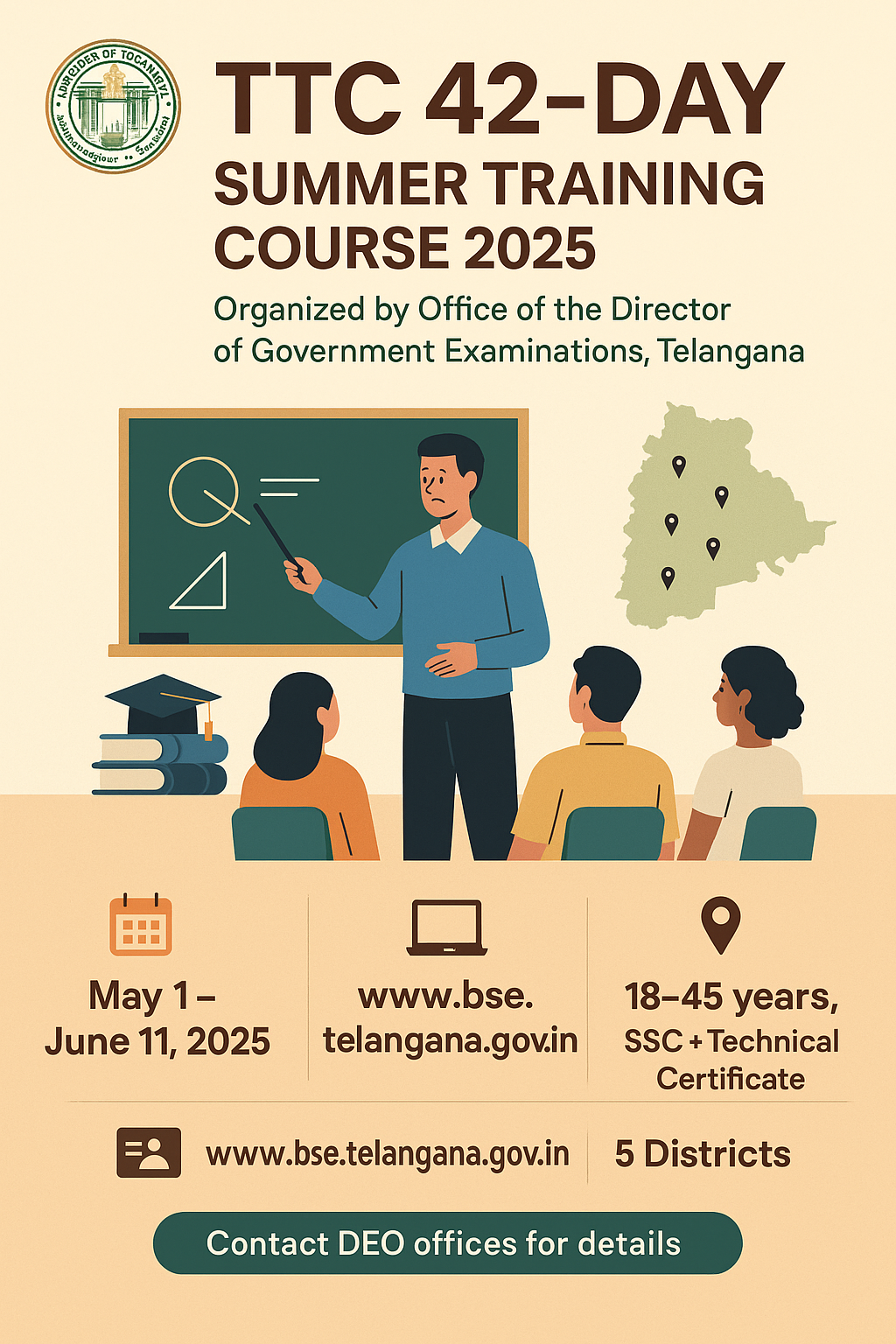
Technical Teacher’s Certificate (TTC) 42-Day Summer Training Course Announced in Telangana

One Board, One System? Telangana May Merge Inter & School Boards

Indian Army Recruitment 2025–26: Registration for Agniveer Selection Extended – Apply Now


-
Exams & Results1 year ago
Technical Teacher’s Certificate (TTC) 42-Day Summer Training Course Announced in Telangana
-
News1 year ago
One Board, One System? Telangana May Merge Inter & School Boards
-
 Scholarships1 year ago
Indian Army Recruitment 2025–26: Registration for Agniveer Selection Extended – Apply Now
-

 Exams & Results1 year ago
Top Competitive Exams in May 2025: Key Dates, Details, and How to Prepare
-

 Sports2 years ago
IPL Auction 2025: Big Buys, Surprise Picks, and New Team Strategies
-

 Sports2 years ago
Why Only Cricket Gets the Spotlight in Indian Sports and What Will Happen if We Don’t Address It
-
 Scholarships1 year ago
Latest Scholarships: National and International Opportunities 2025
-

 Careers & Jobs1 year ago
Accenture to Promote 50,000 Employees Globally This June